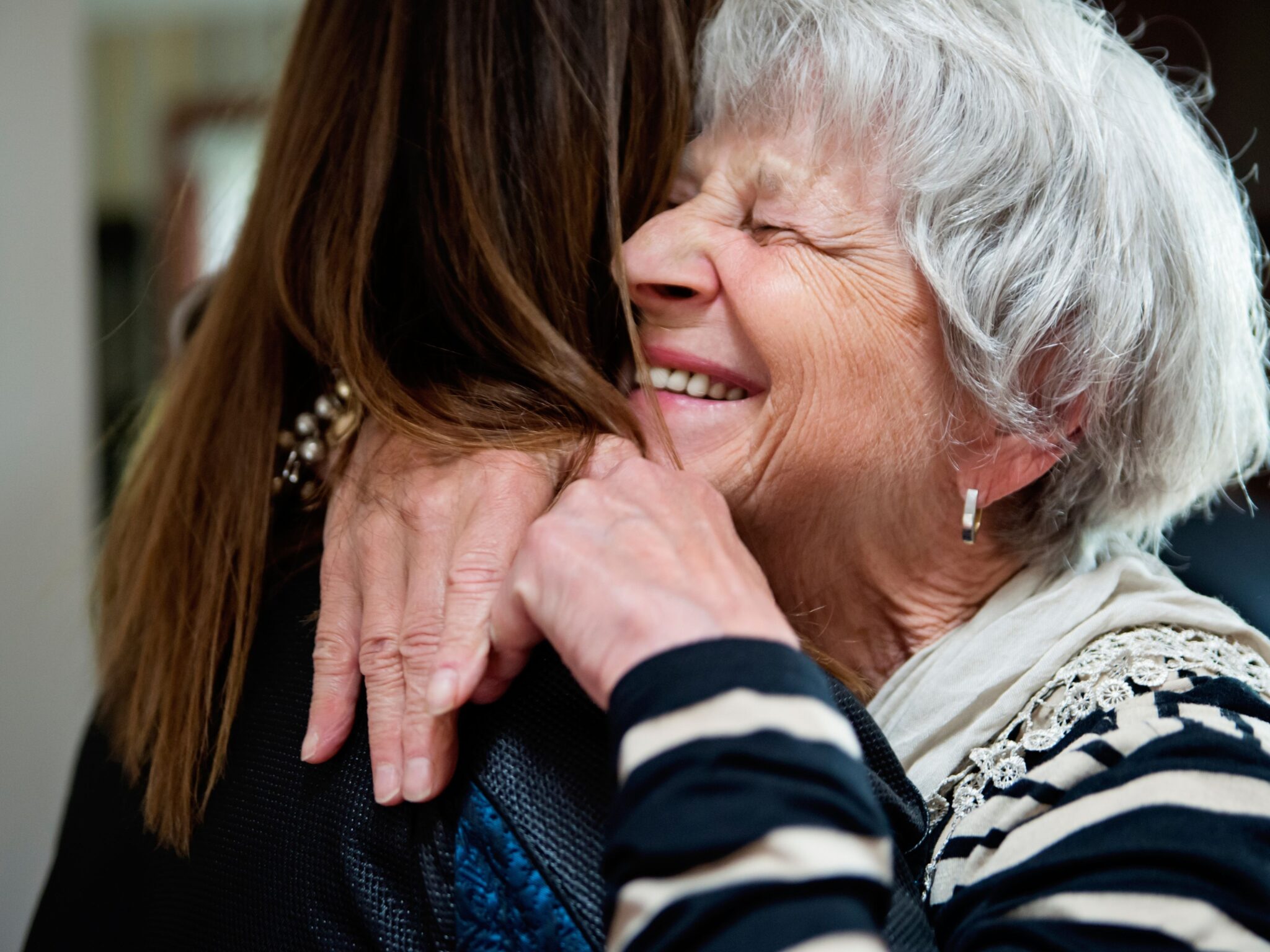
How the power of recalling the past can bring joy, connection, and lasting legacy
There’s a special kind of magic in hearing a loved one tell a story from their youth.
Perhaps it’s your grandmother recounting the day she met your grandfather on a windswept Brighton pier. Or your father describing the pride he felt when he passed his driving test in a battered old Morris Minor. These moments aren’t just charming anecdotes—they are living threads that connect the past to the present.
For people living with dementia or cognitive decline, these recollections can be far more than pleasant conversations. They can be therapeutic, grounding, and profoundly life-enhancing. This is the essence of reminiscence therapy—a practice that uses memories to spark joy, strengthen identity, and improve well-being.
And now, with modern tools such as Memo from The Memry Project, reminiscence therapy can be woven seamlessly into everyday life—becoming not only a way to support cognitive health, but also a method for preserving a family’s heritage for generations to come.
The Science of Reminiscence Therapy
Reminiscence therapy is rooted in the understanding that our personal memories are deeply linked to our sense of self. When we recall a past experience, we are not simply retrieving a file from storage; we are engaging vast areas of the brain that govern emotion, identity, and connection.
Memory and Identity
For someone with dementia, the present may at times feel confusing or fragmented. But memories from years or decades ago can remain surprisingly intact. These long-term memories are often deeply emotional and form the backbone of personal identity.
When an individual shares a story from their past, they reaffirm who they are—their values, relationships, and life journey. This act of remembering can bring comfort, pride, and reassurance, particularly in the early and middle stages of dementia.
Cognitive Stimulation
Neurologically, recalling a memory is a form of mental exercise. It involves:
- Retrieval – accessing stored information.
- Sequencing – organising events in the correct order.
- Language processing – finding words to express the memory.
- Emotional regulation – reflecting on feelings linked to the memory.
These processes stimulate neural pathways, helping to keep the mind engaged. While reminiscence therapy cannot reverse dementia, it can help slow the decline in certain cognitive functions, maintain communication skills, and support independent living for longer.
Emotional Well-being
The emotional benefits are equally significant. Recalling happy or meaningful events often lifts mood, reduces anxiety, and can help alleviate depression. According to research from the University of Strathclyde, structured reminiscence therapy sessions have been shown to improve mood, reduce agitation, and foster a sense of belonging.
Why Reminiscence Therapy Matters for Families
Reminiscence therapy is not just for the person living with dementia—it can be a transformative experience for the whole family.
Strengthening Bonds
Looking through an old wedding album together, laughing at the hairstyles and fashions of the time, or hearing about childhood adventures builds intimacy and connection. These shared moments bridge generational gaps, allowing younger family members to understand and appreciate the lives of their elders.
Reducing Loneliness and Isolation
Dementia can lead to withdrawal from social activities, partly because communication becomes more challenging. Reminiscence therapy offers a safe, familiar context for interaction. When a person talks about their past, they are in a domain where they feel confident, which can reduce feelings of isolation.
Creating a Family Legacy
Each memory shared is a piece of family history that might otherwise be lost. By actively gathering these stories, photographs, and recordings, families create a treasure trove—a personal archive to be cherished by future generations. This isn’t only about nostalgia; it’s about preserving identity, values, and culture.
Practical Family Involvement Tips
While professional therapists often lead structured reminiscence sessions, families can easily incorporate the practice at home.
1. Use Photographs and Keepsakes
Old family photographs, postcards, and letters can act as powerful triggers for memory. The tactile nature of holding an old photo or a treasured object adds a sensory dimension to the recollection process.
Tip: Lay out a small selection of photos at a time to avoid overwhelm. Ask open questions like, “Who is in this photo with you?” or “What do you remember about that day?”
2. Share Life Stories
Encourage storytelling about school days, early jobs, wartime experiences, favourite holidays, or even everyday routines from decades ago. These narratives help paint a picture of a person’s life that future generations will value.
Tip: Record these stories (with permission) using a phone or digital recorder. Over time, you can build an audio library of family history.
3. Use Music as a Prompt
Songs from one’s youth often evoke vivid memories and emotions. Playing a popular track from a significant era—say, the Beatles for someone who came of age in the 1960s—can spark conversation and bring joy.
Tip: Create playlists for different stages of life—childhood, teenage years, adulthood—and explore them together.
4. Celebrate Milestones
Birthdays, anniversaries, and cultural holidays can be excellent opportunities to reminisce. They provide natural themes for sharing related memories.
Tip: Bring out old cards, recipes, or decorations linked to the occasion and use them as conversation starters.
Enter Memo: The AI Companion that Brings Memories to Life
Memo, from The Memry Project, takes reminiscence therapy into the digital age—making it not just an occasional activity, but an ongoing, accessible part of daily life.
How Memo Works
Memo is an AI-powered conversational companion designed to interact naturally with people living with dementia and their families. It can:
- Prompt memory recall with personalised questions.
- Play cherished songs or audio recordings linked to significant life events.
- Display and describe stored photographs from the person’s life.
- Record and archive stories shared during conversations.
- Organise memories in the secure Memry Vault for easy retrieval.
Stimulating Recollection Through Conversation
Memo doesn’t just play a song or show a photo—it actively engages the user in conversation about it.
For example:
- Memo might display a photograph from a 1975 seaside holiday and ask, “Do you remember the smell of the sea that day?”
- After playing a favourite song, it might follow up with, “Who did you enjoy dancing to this song with?”
These questions go beyond simple recall—they stimulate sensory memories, emotions, and storytelling.
Building a Digital Archive for Future Generations
Every memory, story, and photograph shared with Memo can be saved in the Memry Vault—an encrypted, secure digital archive accessible only to approved family members. Over time, this becomes a living history of a person’s life, capturing not just facts but the warmth and personality behind them.
Imagine a great-grandchild, decades from now, being able to hear their great-grandparent tell the story of how they met their lifelong partner, in their own voice. Memo makes this possible.
Making Reminiscence Daily and Effortless
Traditional reminiscence therapy often happens in scheduled sessions. Memo allows it to happen naturally, every day:
- A morning prompt to share a memory from school days.
- An afternoon reminiscence sparked by a favourite recipe.
- An evening conversation about past travels, triggered by a photograph.
Because Memo is available at home, it turns reminiscence into a part of the daily routine—helping to preserve memories while they are still accessible.
The Broader Benefits to the Family
Reducing Carer Strain
For carers, Memo can help take the pressure off initiating every conversation. It provides fresh prompts and ideas, keeping interaction lively without requiring constant planning.
Connecting Distant Relatives
Family members who live far away can contribute photographs, audio messages, or videos to the Memry Vault, ensuring that even distant relatives play a part in building the memory archive.
Bridging Generations
Memo can be used during family visits to engage everyone—from grandchildren to grandparents—in shared storytelling sessions. Younger family members learn more about their heritage, and older relatives enjoy the attention and interest.
Why Now Is the Time to Start
One of the most important truths about reminiscence therapy is that the earlier you start, the more you can preserve. Early-stage dementia often leaves long-term memories relatively intact, which makes this the ideal time to begin capturing and celebrating them.
Even for those without a dementia diagnosis, creating a memory archive can be a gift to the future—a way to ensure that stories, values, and life lessons are passed down.
Reminiscence therapy is more than a pleasant trip down memory lane. For people living with dementia, it can be a lifeline—helping to preserve identity, stimulate cognitive function, and foster joy. For families, it is an opportunity to strengthen bonds, reduce loneliness, and create a lasting legacy.
With tools like Memo from The Memry Project, reminiscence therapy becomes easier, more engaging, and more enduring. By blending AI’s gentle prompting with secure memory storage, Memo transforms everyday moments into opportunities to connect, remember, and record.
So, whether it’s over a pot of tea with a box of old photos, or through a friendly chat with Memo, start today. Ask the questions, listen to the stories, and save them. One day, these memories will be the most precious gift you can give—to your loved ones now, and to the generations still to come.
Alzheimer’s Society UK – https://www.alzheimers.org.uk/
NHS Dementia Guide – https://www.nhs.uk/conditions/dementia/guide/
Age UK – https://www.ageuk.org.uk/