For many people living with dementia, everyday life can become increasingly unpredictable. Tasks that once felt automatic may require more thought, while changes to familiar routines can lead to confusion, anxiety, or frustration.
Establishing a consistent daily routine can provide comfort, reduce uncertainty, and help people living with dementia feel more confident in their day-to-day lives. While every individual is different, familiar routines often create a sense of stability that supports both emotional wellbeing and independence.
Why Daily Routines Matter
A predictable routine helps reduce the number of decisions someone needs to make throughout the day. Knowing what to expect can make everyday activities feel less overwhelming and more manageable.
Daily routines can also:
- Reduce feelings of confusion and anxiety
- Encourage independence
- Improve sleep patterns
- Support physical and mental wellbeing
- Help maintain familiar habits
- Provide reassurance for family caregivers
Even small routines, repeated consistently, can have a meaningful impact.
Building a Routine That Works
There is no single routine that suits everyone. The best routines are built around the person’s existing habits, preferences, and abilities.
Start with Familiar Activities
People living with dementia often find comfort in activities they have enjoyed for many years.
This might include:
- Having breakfast at the same time each morning
- Reading the newspaper
- Watering the garden
- Listening to favourite music
- Walking around the neighbourhood
- Enjoying a cup of tea in the afternoon
Keeping these familiar activities in place can help preserve confidence and a sense of purpose.
Keep Mealtimes Consistent
Eating meals at regular times each day provides structure while supporting nutrition and hydration.
Whenever possible, reduce distractions during mealtimes and create a calm, welcoming environment where the person can enjoy their food without feeling rushed.
Supporting Memory Through Gentle Reminders
Memory changes can make it difficult to remember appointments, medications, or everyday tasks.
Gentle reminders can reduce frustration and help individuals remain as independent as possible.
Simple prompts may include:
- Taking medication
- Drinking enough water
- Attending appointments
- Joining family meals
- Going for a daily walk
- Preparing for bedtime
These reminders work best when they are calm, reassuring, and part of a familiar routine rather than feeling like instructions.
Encourage Meaningful Activities
A fulfilling day isn’t only about completing tasks—it’s also about enjoying life.
Meaningful activities can stimulate the mind while promoting emotional wellbeing.
Consider activities such as:
- Looking through family photographs
- Completing simple puzzles
- Baking together
- Gardening
- Arts and crafts
- Listening to favourite songs
- Gentle exercise or stretching
The goal is participation rather than perfection.
Flexibility Is Important
While routines are helpful, it’s equally important to remain flexible.
Some days will naturally be more challenging than others. Fatigue, illness, or changes in mood may mean routines need to be adjusted.
Rather than focusing on completing every activity, prioritise comfort, reassurance, and enjoyment.
A routine should support the individual—not become another source of pressure.
Supporting Family Caregivers
Daily routines benefit caregivers as well.
Knowing what to expect throughout the day can reduce stress, improve planning, and make caregiving responsibilities feel more manageable.
Shared routines also create opportunities for meaningful moments together, whether that’s sharing breakfast, taking a walk, or simply enjoying a conversation over a cup of tea.
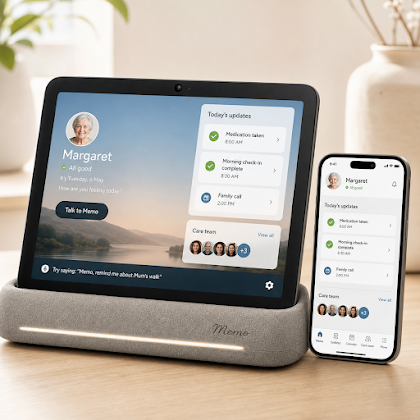
How Memo Can Help
At The Memry Project, we understand that maintaining routines can become more difficult as dementia progresses—but the right support can make everyday life easier.
Memo, our natural voice companion, helps people living with dementia stay organised through gentle reminders for medications, appointments, meals, and daily activities. Memo also provides personalised memory prompts and friendly conversations that encourage confidence, independence, and meaningful engagement throughout the day.
For families and caregivers, Memo offers additional reassurance that their loved one has consistent support, even when they can’t always be there in person.
A well-planned routine isn’t about following a strict schedule—it’s about creating moments of familiarity, comfort, and connection. With compassion, understanding, and the right support, people living with dementia can continue to enjoy fulfilling days and maintain their independence for as long as possible.