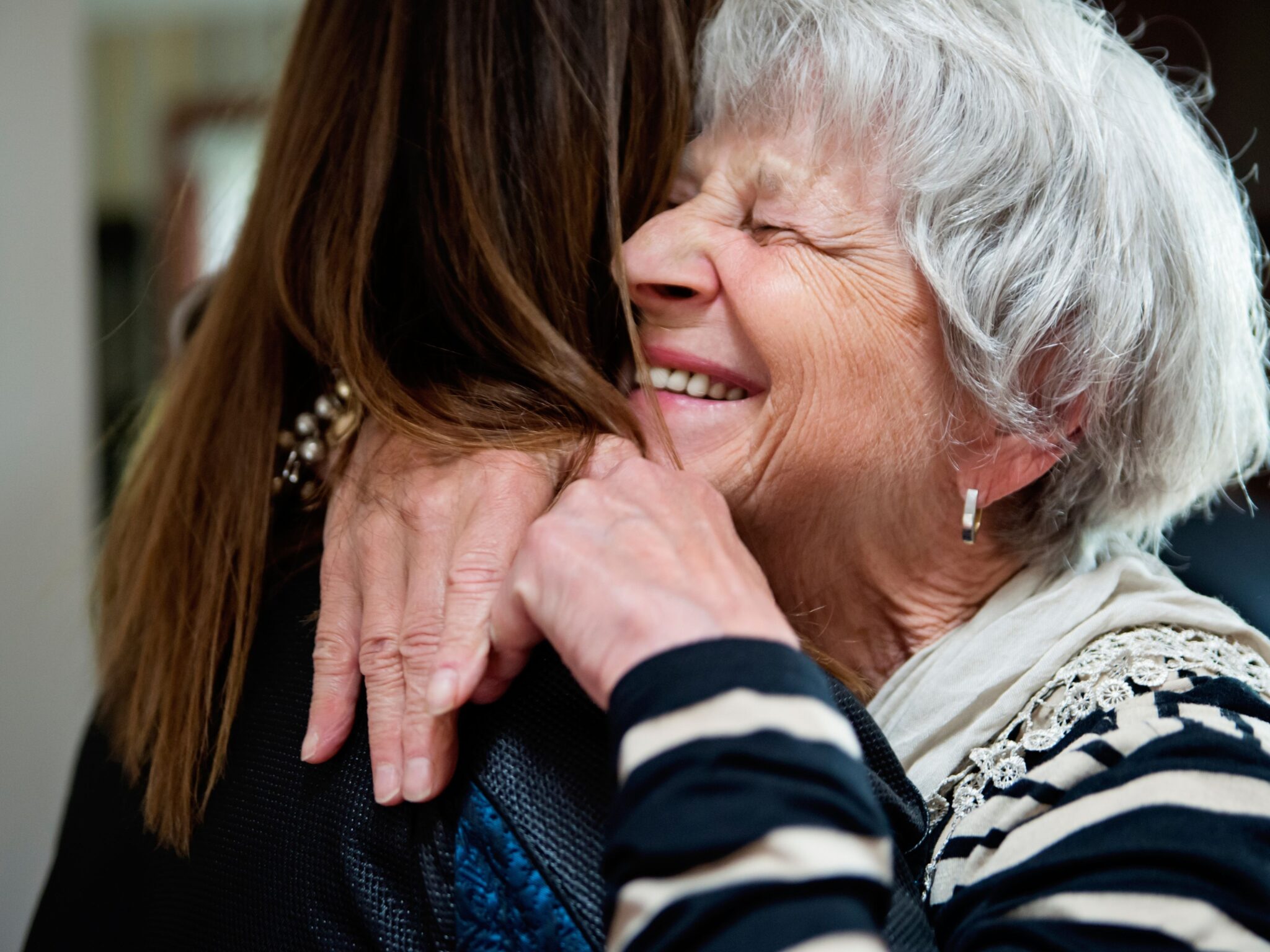
Home is more than just a place to live—it’s where we feel safe, comfortable, and connected to the people and memories that matter most. For someone living with dementia, remaining at home for as long as possible can provide familiarity and reassurance, but it may also require a few thoughtful adjustments to support safety and independence.
Creating a dementia-friendly home doesn’t mean making major renovations. Often, small changes can make everyday tasks easier, reduce confusion, and help people continue living confidently in their own environment.
Why a Dementia-Friendly Home Matters
As dementia progresses, changes in memory, perception, and problem-solving can make navigating familiar spaces more difficult.
A well-designed home environment can help:
- Reduce the risk of falls and accidents
- Support independence with daily tasks
- Minimise confusion and frustration
- Encourage confidence and routine
- Create a calmer, more reassuring environment
The goal is to make the home work for the person—not expect the person to adapt to the home.
Living Room Checklist
The living room is often where people spend much of their day, making comfort and simplicity especially important.
Consider:
- Keeping walkways clear of clutter
- Removing loose rugs that could become trip hazards
- Ensuring good lighting throughout the room
- Using chairs with supportive armrests to make sitting and standing easier
- Displaying familiar family photographs and meaningful keepsakes
A familiar, uncluttered space can help reduce anxiety while encouraging relaxation and conversation.
Kitchen Checklist
The kitchen should remain as safe and easy to use as possible.
Consider:
- Labelling cupboards and drawers
- Keeping frequently used items within easy reach
- Storing cleaning products separately from food
- Using appliances with automatic shut-off features where possible
- Maintaining a simple, organised layout
Keeping the kitchen familiar while reducing unnecessary hazards allows people to continue participating in everyday activities safely.
Bedroom Checklist
A calm bedroom can support better sleep and reduce confusion, particularly during the evening.
Consider:
- Keeping a bedside lamp within easy reach
- Using a large clock and calendar
- Ensuring pathways to the bathroom are well lit
- Keeping essential items, such as glasses or medication, in consistent locations
- Choosing bedding that contrasts with the floor to make it easier to distinguish surfaces
Consistency helps make bedtime routines more relaxing and predictable.
Bathroom Checklist
Bathrooms can present several safety risks, particularly for older adults.
Consider:
- Installing grab rails near the toilet and shower
- Using non-slip mats
- Improving lighting
- Clearly labelling hot and cold taps if helpful
- Keeping toiletries organised and easy to identify
These simple adjustments can help maintain confidence while reducing the risk of falls.
Hallways and Entrances
Safe movement throughout the home is just as important as individual rooms.
Consider:
- Removing unnecessary furniture
- Keeping floors free from clutter
- Improving lighting in hallways and staircases
- Installing secure handrails where needed
- Making sure house numbers are clearly visible in case emergency services are ever required
Easy navigation helps people feel more secure in their surroundings.
Creating a Familiar Environment
A dementia-friendly home is not only about physical safety—it is also about emotional wellbeing.
Surrounding someone with familiar objects, favourite music, treasured photographs, and personal memories can encourage conversation, comfort, and a continued sense of identity.
Small, meaningful touches often have the greatest impact.
Supporting Independence Every Day
As needs change, it’s important to review the home environment regularly and make adjustments together where possible.
Encouraging someone to continue participating in everyday activities—whether preparing a simple meal, watering plants, or folding laundry—can help maintain confidence and a sense of purpose.
The focus should always be on supporting abilities rather than highlighting limitations.

How Memo Can Help
At The Memry Project, we believe that technology can play an important role in helping people remain independent while continuing to enjoy the comfort of home.
Memo, our natural voice companion, supports people living with dementia through gentle reminders for medications, appointments, meals, and daily routines. Memo also provides personalised memory prompts and meaningful conversations that help individuals stay connected with their surroundings and the people they love.
For family members and caregivers, Memo offers additional peace of mind, knowing their loved one has consistent support throughout the day.
Creating a dementia-friendly home isn’t about changing everything—it’s about making thoughtful adjustments that help people continue living safely, confidently, and with dignity. Combined with compassionate care and the right support, even small changes can make home feel like the safest and most comforting place to be.