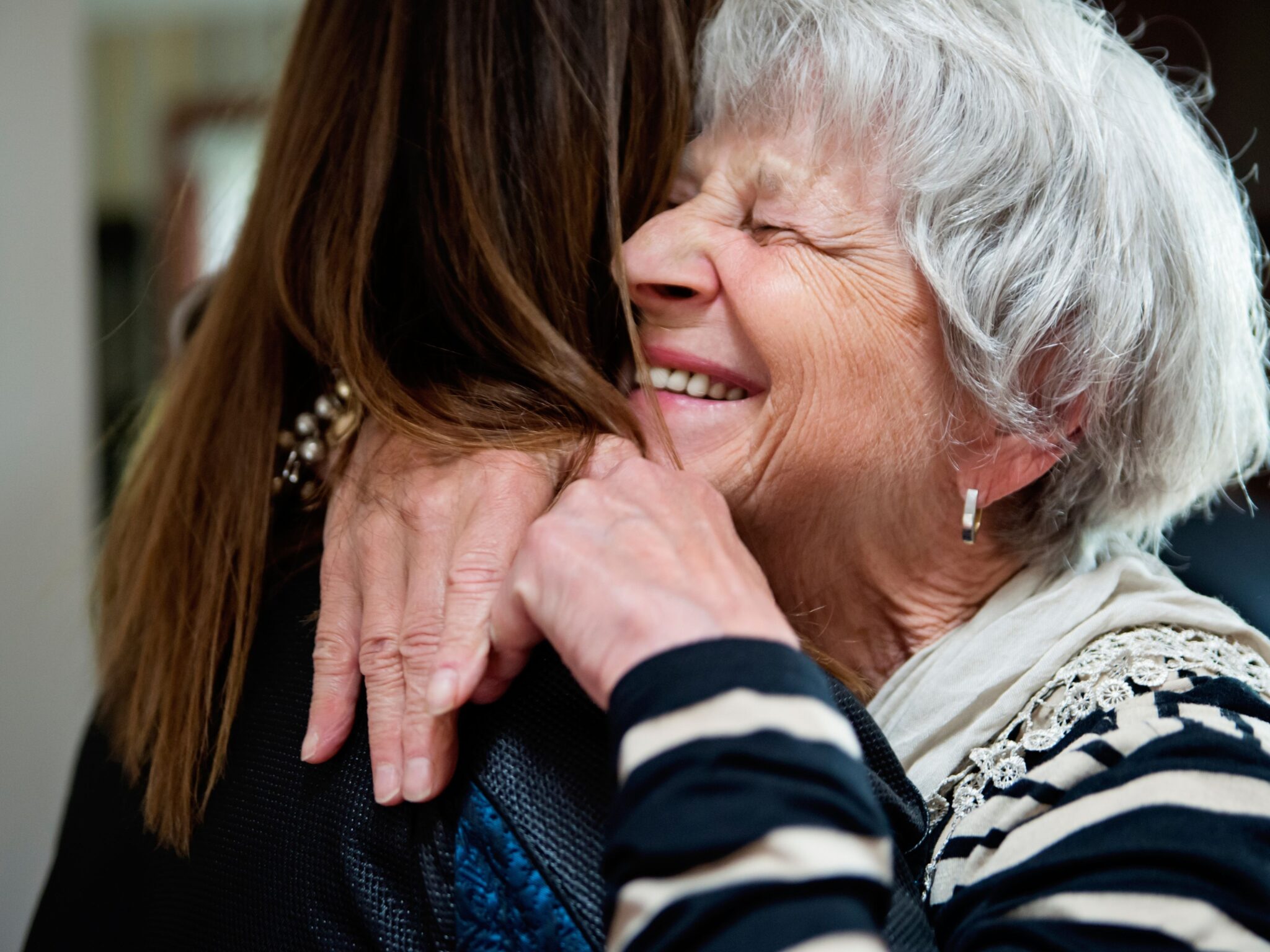
Why Many Older Adults Choose to Remain at Home
For many people, home represents comfort, familiarity, independence, and cherished memories. As individuals grow older, remaining in their own home is often a preferred choice.
However, ageing at home can present unique challenges, particularly when cognitive changes, mobility concerns, or health conditions become more prominent. Understanding these challenges allows families to better prepare and provide appropriate support.
Common Challenges of Ageing at Home
Managing Daily Tasks
Activities that were once routine can gradually become more difficult. Managing medication, preparing meals, attending appointments, and maintaining household responsibilities may require additional support.
For individuals living with dementia, these tasks can become increasingly complex due to memory and cognitive changes.
Social Isolation and Loneliness
Many older adults experience reduced social interaction as family members move away, friends become less available, or mobility declines.
Loneliness can significantly affect emotional wellbeing and may contribute to feelings of anxiety, depression, or withdrawal from activities.
Safety Concerns in the Home
Preventing Accidents and Falls
Falls remain one of the most common risks for older adults. Poor lighting, cluttered walkways, loose rugs, and uneven surfaces can increase the likelihood of accidents.
Creating a safer home environment can help reduce these risks while supporting independence.
Managing Memory-Related Risks
For individuals living with dementia, challenges such as forgetting appointments, medication schedules, or household tasks can impact daily safety and wellbeing.
Supportive systems and reminders can play an important role in helping individuals remain independent for longer.
Supporting Independence Through Technology
Practical Assistance for Everyday Living
Technology is increasingly helping older adults remain safely and comfortably in their own homes. Reminder systems, communication tools, and wellbeing support can complement family and professional care.
Every day, caregivers and healthcare professionals make an extraordinary difference in the lives of people living with dementia. The Memry Project was created to support these dedicated individuals by providing an additional source of companionship, guidance, and practical assistance through Memo. Whether offering reminders, wellbeing support, or simply a friendly voice when loved ones cannot be present, Memo helps strengthen the circle of care and ensures that no one has to face dementia alone.
Helping Older Adults Stay Connected
Memo can support daily routines, provide reminders, encourage engagement, and offer companionship throughout the day. These interactions help individuals maintain confidence while reducing feelings of isolation.
Creating a Positive Ageing Experience
Ageing at home presents challenges, but it also offers opportunities to preserve independence, dignity, and quality of life.
With thoughtful planning, family support, community resources, and innovative tools such as Memo, older adults can continue living safely and comfortably in the place they know best.
Every memory tells a story. Every story helps shape who we are.
The Memry Project was created to help people living with dementia preserve meaningful memories, celebrate life experiences, and stay connected to the people and moments that matter most. Through Memo, users can revisit familiar stories, photographs, music, and treasured memories that help reinforce identity and spark meaningful conversations. These memory prompts can encourage engagement, provide comfort, and create opportunities for families to share precious moments together. Because preserving memories isn’t just about the past—it’s about strengthening connections in the present and creating a lasting legacy for future generations.